The 2016 World Photonics Congress
I. Basic Information of the Exhibition
Full name of the exhibition:
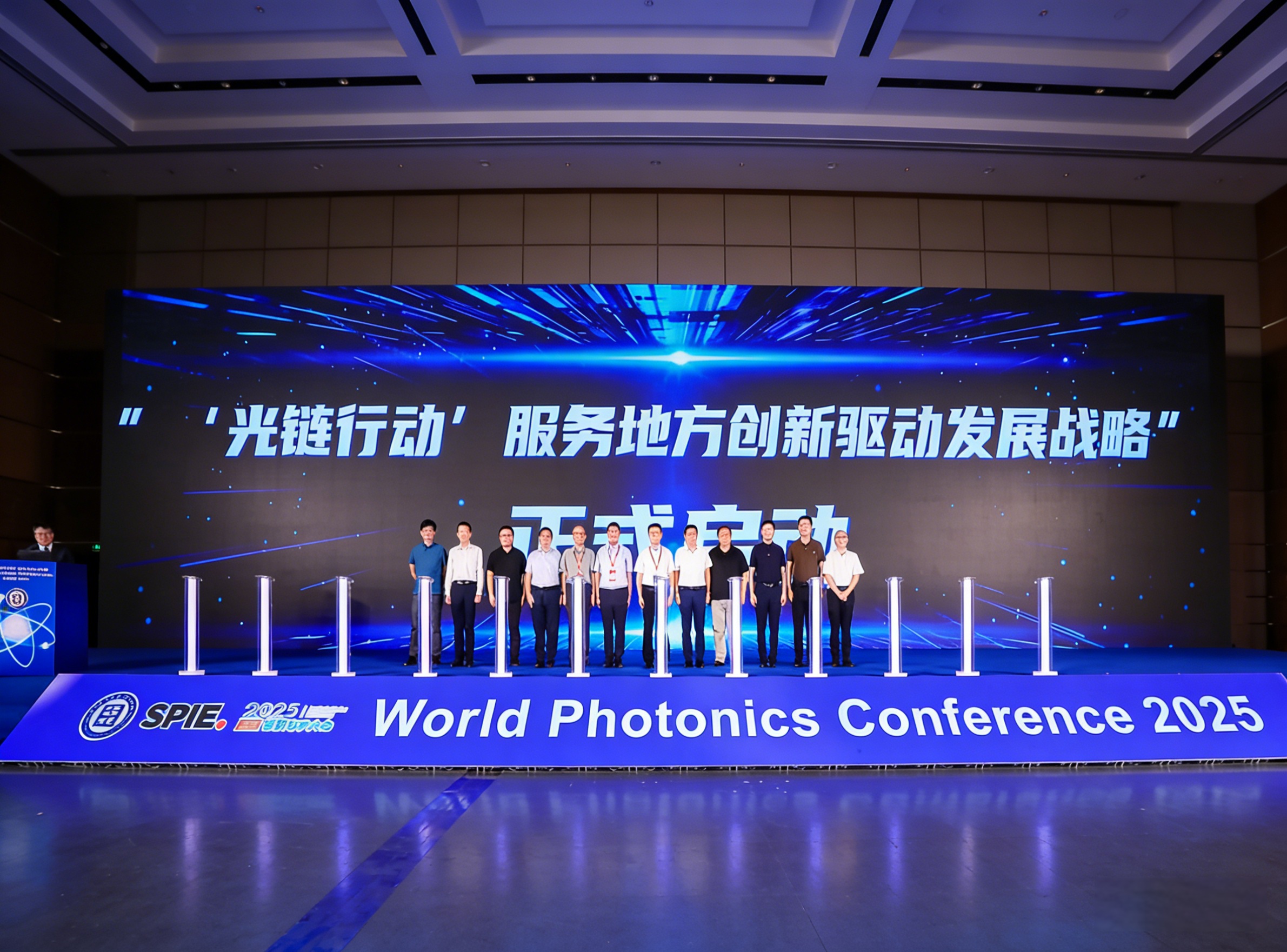
2016 Asia Optoelectronics Conference (SPIE/COS Photonics Asia 2016)
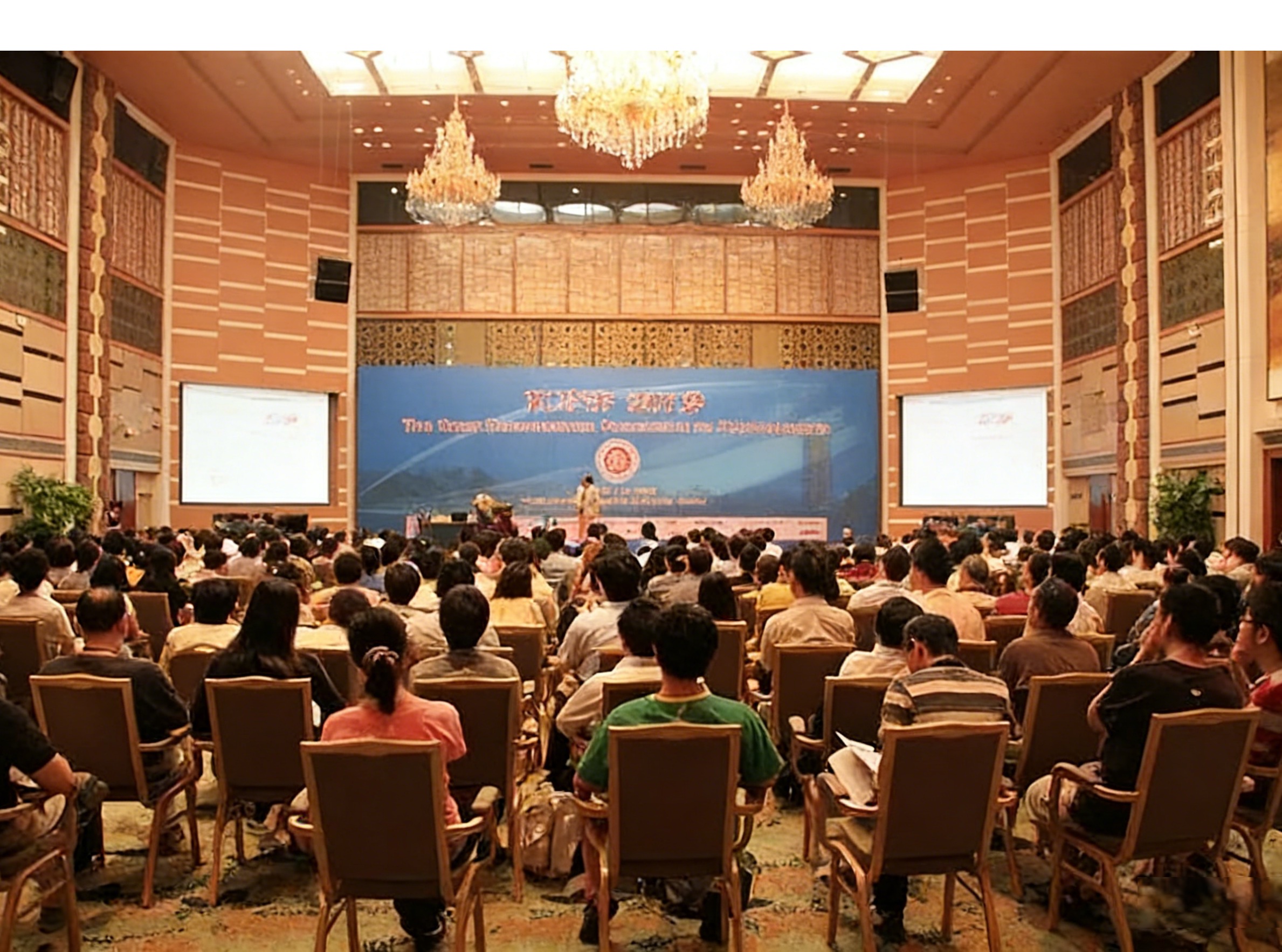
Time:
October 12 - 14, 2016
Venue:
Beijing International Convention Center
Organizers:
International Society for Optics and Photonics (SPIE), Chinese Optical Society (COS)
II. Theme and Positioning of the Exhibition
Theme:
Connecting Minds · Advancing Light
Positioning:
Focus on cutting-edge research and technological applications in the global photonics field, and build an international platform for academic exchanges and industry docking.
III. Core Scale Data
Participants:
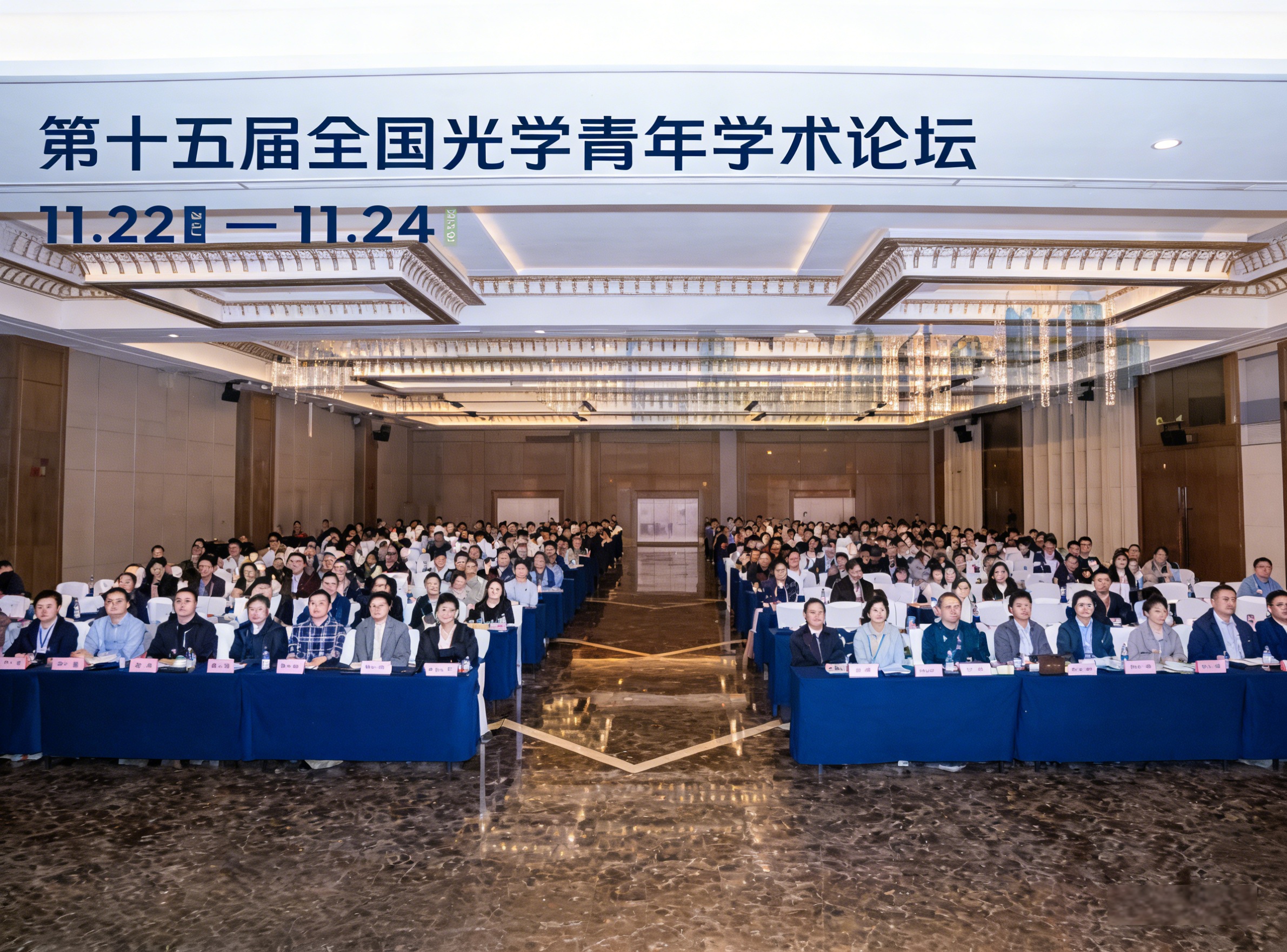
Nearly a thousand university scholars, researchers and enterprise representatives from around the world.
Exhibition scale:
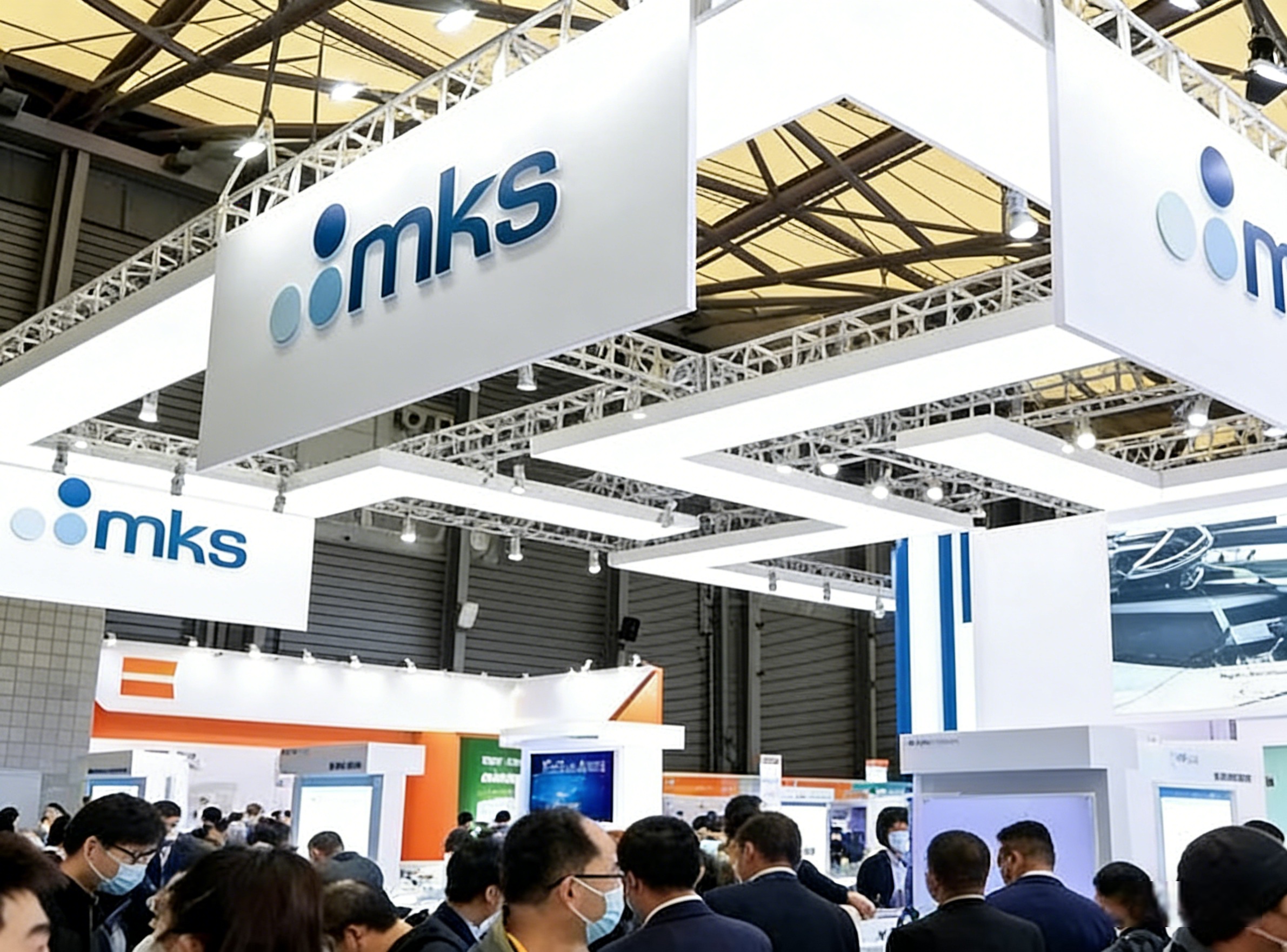
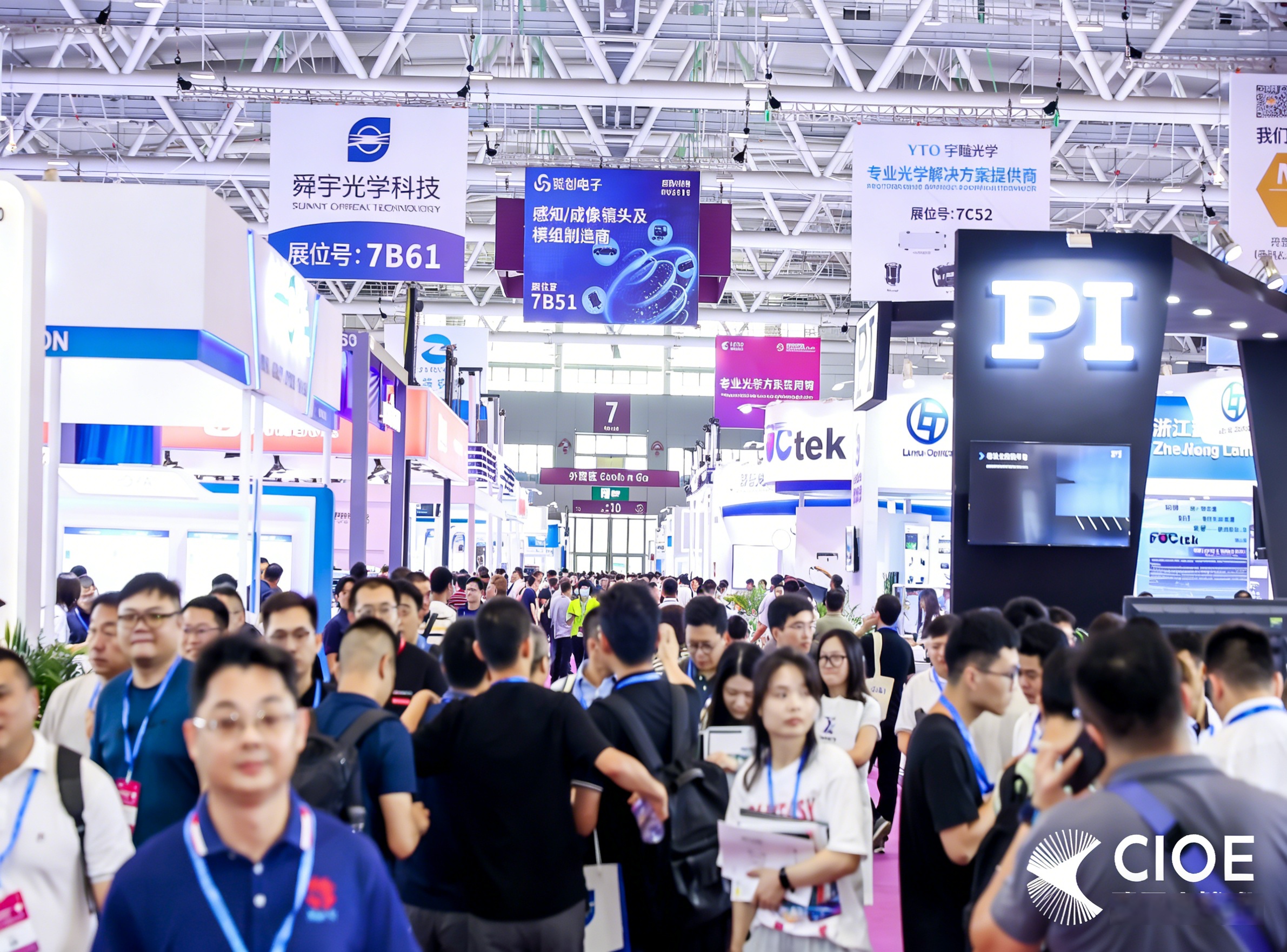
14 optics-related enterprises participated in the concurrent optoelectronics exhibition.
Academic output:
573 oral presentations and 467 poster presentations, covering research results in multiple fields.
IV. Core Content Sections
Academic conferences (15 major topics)
High-power lasers and applications, semiconductor laser technology, advanced laser processing and manufacturing.
Optoelectronic imaging and multimedia, optical design and testing, medical and biomedical optics.
Nanophotonics, quantum and nonlinear optics, infrared and terahertz technologies, etc.
Concurrent activities
Plenary invited reports:
Focus on cutting-edge directions such as large telescopes, free-form surface optics, and quantum dot optics.
Honor awards:
Wang Daheng Optical Award, SPIE FELLOW and COS Fellow awarding ceremonies.
Exhibition:
Concentrated presentation of core products and technologies such as optical components, laser equipment, and optoelectronic devices.
V. Supporting Units
Universities and research institutes such as Tsinghua University, Peking University, Changchun Institute of Optics, Fine Mechanics and Physics of the Chinese Academy of Sciences, and Institute of Semiconductors of the Chinese Academy of Sciences.
International organizations such as the Optical Society of Japan, the Optical Society of Korea, and the European Optical Society.
Recent Articles