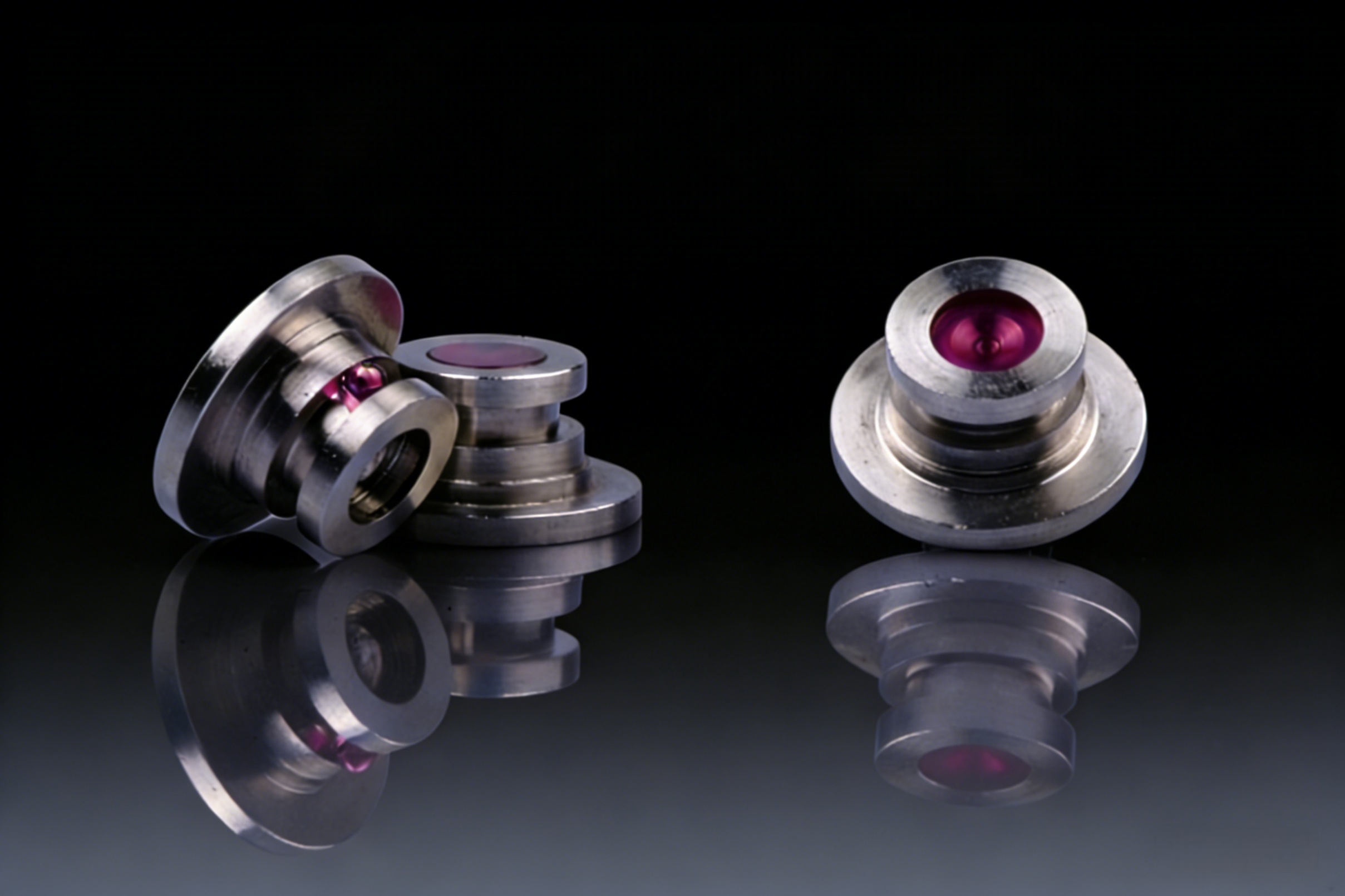
Sapphire crystals are the hardest oxide crystals and represent the most basic single crystal form of aluminum oxide (Al2O3). They possess valuable physical properties such as high strength, high melting point, chemical stability, and various optical properties.
1.Main purpose:
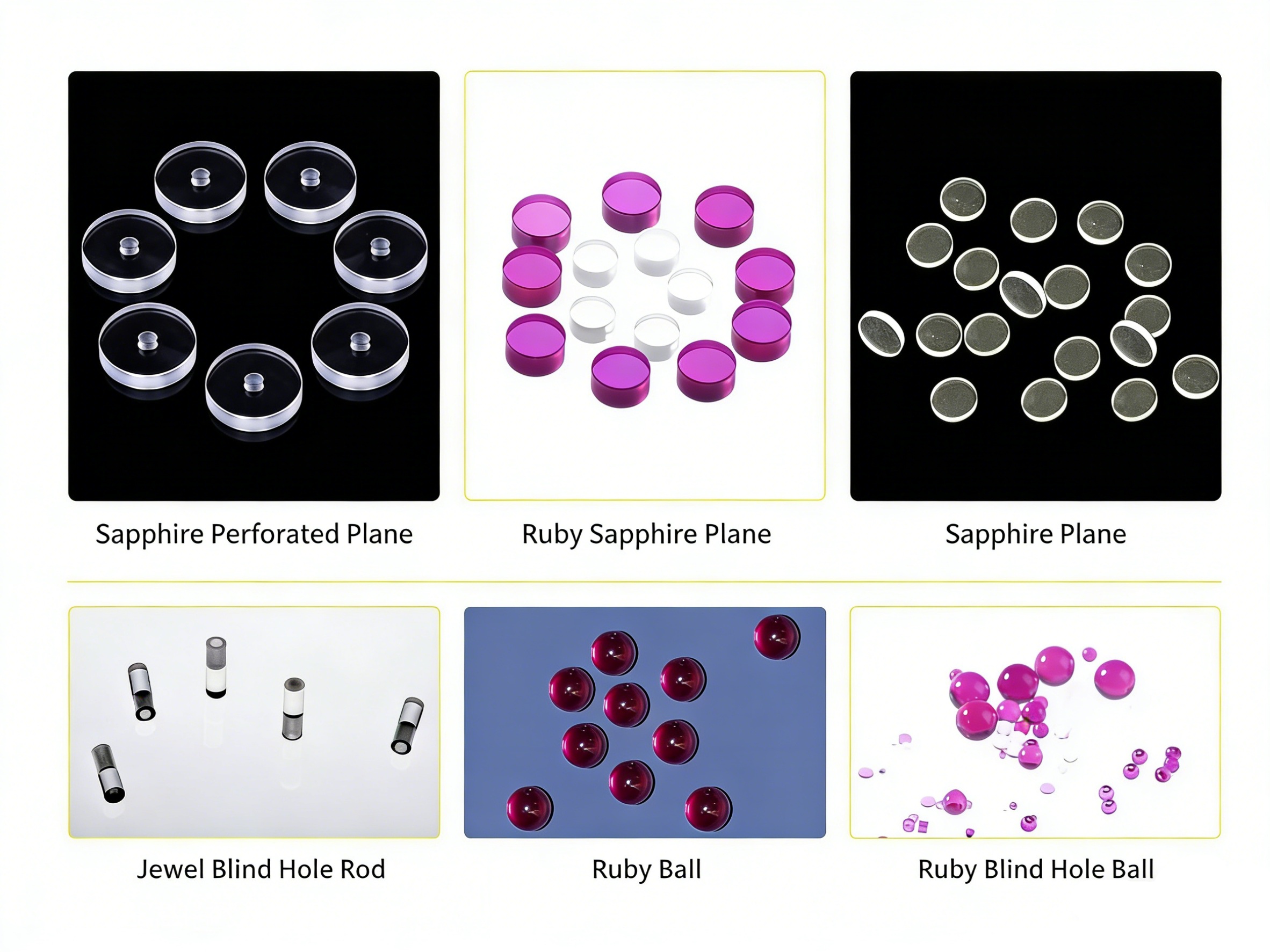
Sapphire crystals have a wide range of applications. Due to the excellent properties of sapphire, such as high hardness, good wear resistance, good transparency, and high temperature resistance, it is often used to make sapphire watch lenses, sapphire blades, chisels, gemstone bearings, etc. Nowadays, the exterior display glass of many high-end watches is made of sapphire. Because sapphire has good light transmission within the wavelength range of 0.20 to 5.50 micrometers, the infrared light transmittance does not change with temperature, and it has the characteristics of high wear resistance, high temperature resistance, and high hardness, so it is often used to make various optical components, optical windows, missile fairings, etc. In addition, the sapphire substrate also plays an extremely important role in the semiconductor lighting industry of LED.
2. The three major applications of sapphire:
1) Sapphire watch crystals, surgical instruments, gemstone bearings:
2) Sapphire optical components category:
3) The sapphire substrate base type of LED.
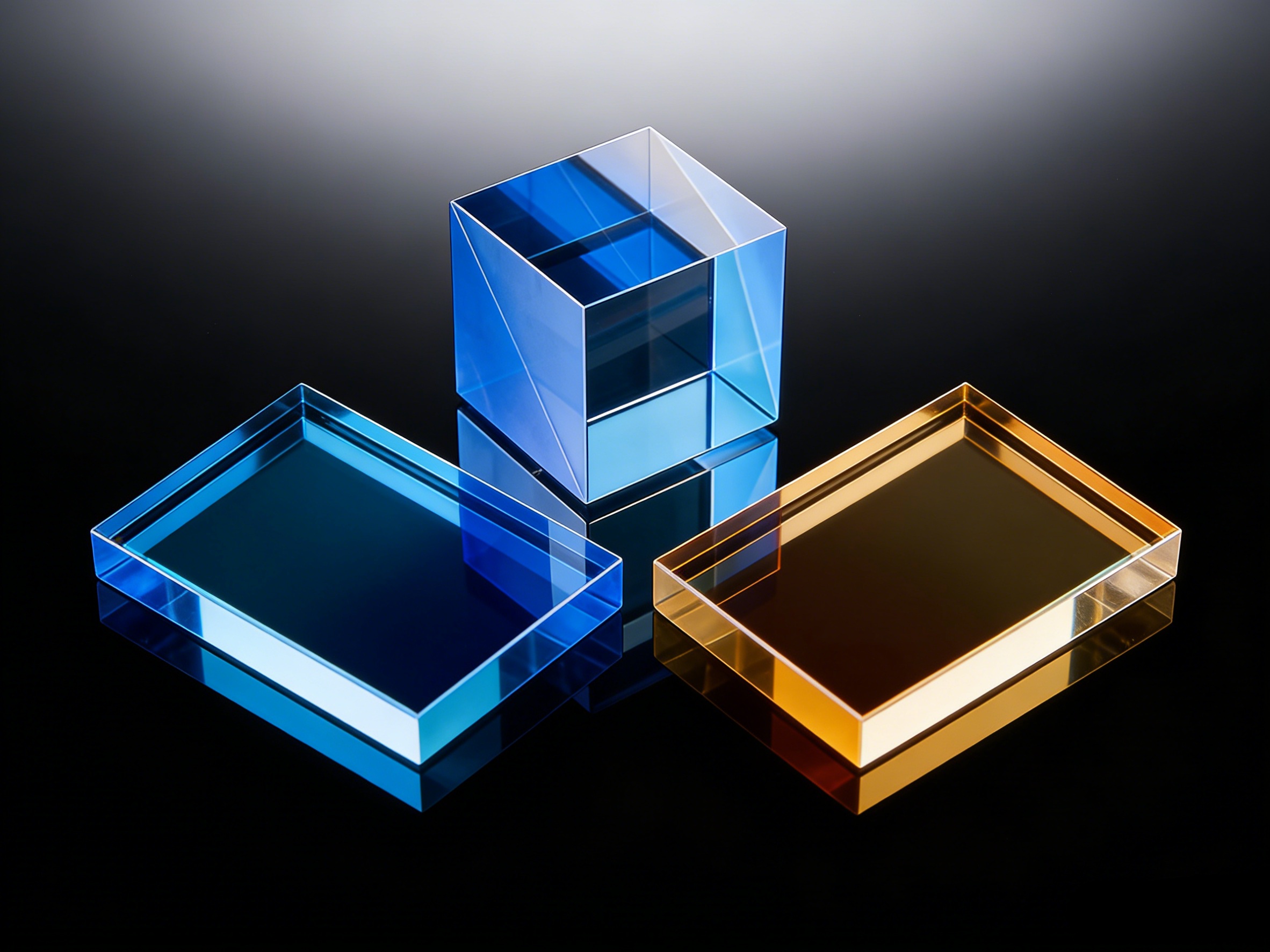
Sapphire prism
UItraopto Precision Optics Co. Ltd offers a wide range of high-precision prisms, such as right-angle prisms, angle-cone prisms, pentagonal prisms, Davy prisms, ridge-angle prisms, wedge-shaped prisms, or other irregularly shaped prisms. Each type of prism has a specific geometry that achieves the necessary reflection to perform a specific imaging task. Refractive prisms can be inverted, rotated, deflected or replaced to redirect light. Diffraction prisms separate spectra, adjust spectra and produce laser output.
Sapphire substrate:
Sapphire substrates are currently the preferred substrates for blue, purple and white light-emitting diodes (LEDs) and blue light lasers (LDs) in the industry. (They need to be epitaxially grown with gallium nitride films on the sapphire substrates.) They are also important superconducting film substrates. Besides being able to produce high-temperature superconducting films such as Y-based and La-based ones, they can also be used for growing new and practical MgB2 (diboride) superconducting films.
Sapphire window
The sapphire window sheet is an ideal material for high pressure, high vacuum, or highly corrosive environments and is widely used in electro-optics, aerospace, and biopharmaceutical fields.
Sapphire lens
The sapphire lens is made of sapphire that is grown to optical standards. Sapphire is obtained through chemical methods and is resistant to corrosion.
Sapphire flavor stick
Blue sapphire crystal rods are widely used in laser applications for various surgical procedures. For instance, blue sapphire crystal rods are used for 2940nm Er:YAG, and blue sapphire shafts are used in coronary artery stents, etc.
The sapphire optical guide block and the filter are the key components of the optical system on the pulsed light machine. They filter out ultraviolet rays and retain the useful wavelengths ranging from 400nm to 1200nm for cosmetic lasers, such as hair removal, vascular and acne treatments. The available wavelengths are 400nm/420nm/460nm/490nm/515nm/530nm/550nm/560nm/570/590nm/615nm/645nm/695nm/755nm/780nm/810nm.
UItraopto Precision Optics Co. Ltd. provides the use of advanced polishing machines to polish all surfaces of optical blocks and filters. The surface quality of its input and output surfaces can reach 20/10, and the effective flatness is λ/10.
The sapphire window sheet has wavelength coverage ranging from 0.17 μm (deep ultraviolet) to 5.5 μm (mid-infrared) making it one of the few optical materials that can simultaneously cover the ultraviolet, visible light, and infrared bands. It has an extremely high hardness, with a Mohs hardness of 9, second only to diamond (with a Mohs hardness of 10), and is much higher than fused quartz and calcium fluoride. It can withstand the friction and impact of sand grains and metal particles, is not prone to scratches, and is suitable for harsh conditions; the processing is difficult, and requires diamond grinding wheels for cutting and polishing, with a cost higher than that of ordinary optical glass. The bending strength is approximately 400-500 MPa, and the thermal shock resistance is excellent. It is resistant to acid and alkali corrosion, except for hydrofluoric acid (HF) and hot phosphoric acid, and has no reaction to strong acids, strong alkalis, and organic solvents, which is superior to fused quartz. It is suitable for observation windows in chemical engineering and semiconductor wet etching processes; it can be used for a long time in humid, salt fog, and other harsh environments, without aging or discoloration. The radiation resistance performance is that it is insensitive to ultraviolet light, X-rays, and gamma rays irradiation, does not produce color centers and is suitable for aerospace ultraviolet remote sensing, nuclear industry detection, and other scenarios. It has a high melting point and high temperature resistance, with a melting point as high as 2045°C, capable of working at temperatures below 1000°C, and short-term tolerance to 1500°C high temperature, far exceeding fused quartz (melting point 1710°C). It has a low thermal expansion coefficient, good thermal stability, and small deformation when the temperature changes, ensuring stable optical parameters.
UItraopto Precision Optics Co. Ltd can offer a variety of laser/protective/viewing windows made of high-quality sapphire materials. Customized windows of specific sizes and materials can be provided according to customer requirements, including single-layer or multi-layer anti-reflection coatings for optical windows.
UItraopto Precision Optics Co Ltd ,can consistently supply this type of product through precise control of polishing, coating and bonding processes. It also accepts customized orders for various specifications of sapphire components.
General Specifications | |
Substrate: Sapphire, ruby | Surface quality: 20/10-60/40 |
Wavelength range: 170nm - 5500nm | Beveling: 0.2 to 0.5mm×45° |
Surface accuracy: 1/10λ@632.8nm or higher | Aperture: > 90% |
Size: 0.25mm-150mm | Size error: +0.0/-0.1mm |
Size specifications and coating requirements are customized according to demand | |